.svg)
There's been a lot of noise over the past two years about what consumers are doing — whether they're pulling back, trading down, or
abandoning physical retail altogether. I want to share some data that cuts through that noise, because it has direct implications for
anyone who owns or is considering buying retail property.
Colliers' 2025 Retail Foot Traffic and Sales Recap put a number on what we've been experiencing in the market: retail sales rose 3.7% year over year in 2025, while overall in-store foot traffic climbed 1.8%. Those aren't record-breaking numbers, but they're not soft numbers either. In fact, 2025 marked the strongest retail sales growth since 2022 — a year when consumer spending came roaring out of the pandemic with unusual force. To post similar growth three years later, in a higher-rate, higher-inflation environment, says something real about the staying power of physical retail.
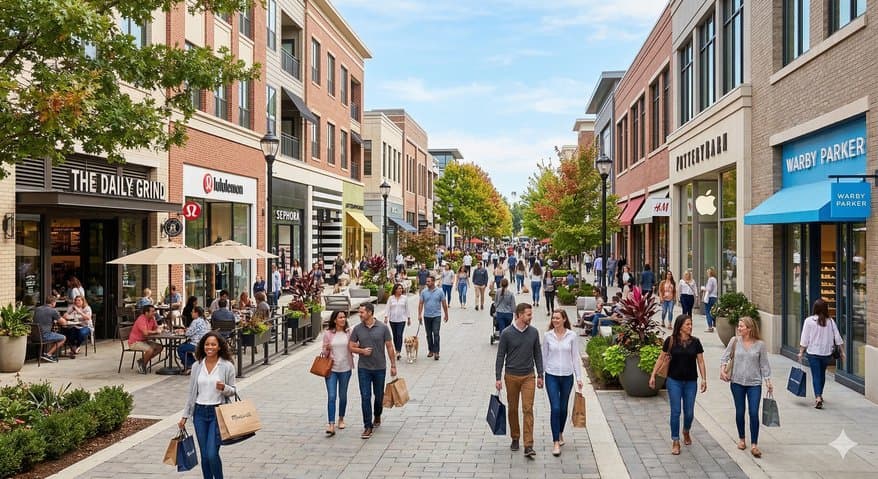
What the report also captured is a consumer who was discerning but not absent. Shoppers leaned into value channels, promotions, and essentials spending throughout the year, especially in the middle two quarters. Holiday performance in Q4 was solid — December alone saw sales up 3.8% year over year. The consumer found ways to stay engaged with brick-and-mortar retail, even when economic uncertainty gave them reasons not to.
For retail property owners, this is the backdrop that matters. When you're evaluating what your asset is worth, or whether now is the
right time to sell, one of the first questions a sophisticated buyer will ask is whether the tenants in that building can support the rent and sustain the lease. National consumer spending data like this helps answer that. Tenants whose categories showed continued foot traffic growth throughout 2025 — particularly necessity-based, value-oriented, and experiential retailers — are proving out their durability. Those are the tenants that drive the strongest valuations on NNN and multi-tenant retail investment deals.
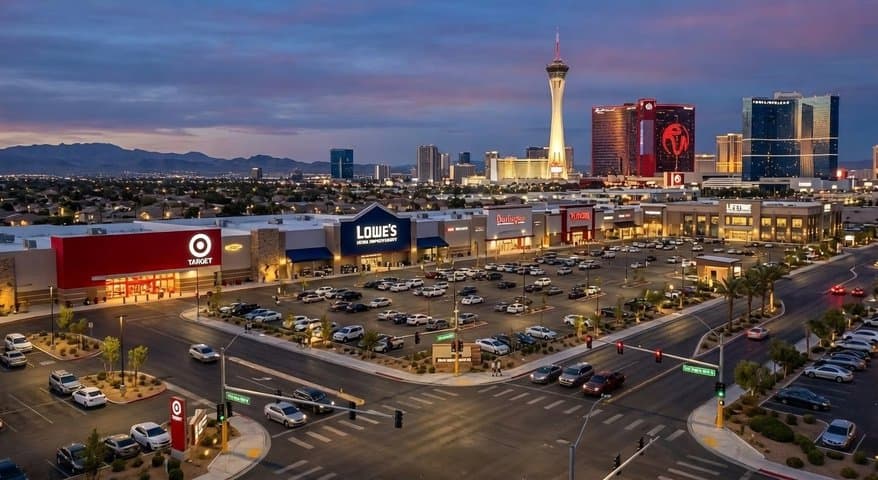
We work in a market — Las Vegas and the Western U.S. broadly — where retail has consistently been more resilient than the national skeptics expected. Understanding the consumer trends driving that performance is part of how we build the investment thesis for every asset we bring to market. Going into 2026, the fundamentals at both the consumer and tenant level continue to support retail property as a sound investment class.